How to Clean a Drain Snake After Use: Step by Step
Clean a drain snake after every use by rinsing it, wiping it down, disinfecting it, drying it fully, coiling it loosely, inspecting the cable and tip, and storing it dry. A snake that goes back in the case wet will rust, smell, and spread grime to the next drain it touches. The whole routine takes about ten minutes, and it keeps the tool safe to handle and ready for the next clog. This guide walks through each step in order, explains why drying matters most, covers the P-trap note that many guides skip, and lists when to stop DIY snaking and call for a check.
Why a Dirty Snake Causes Trouble
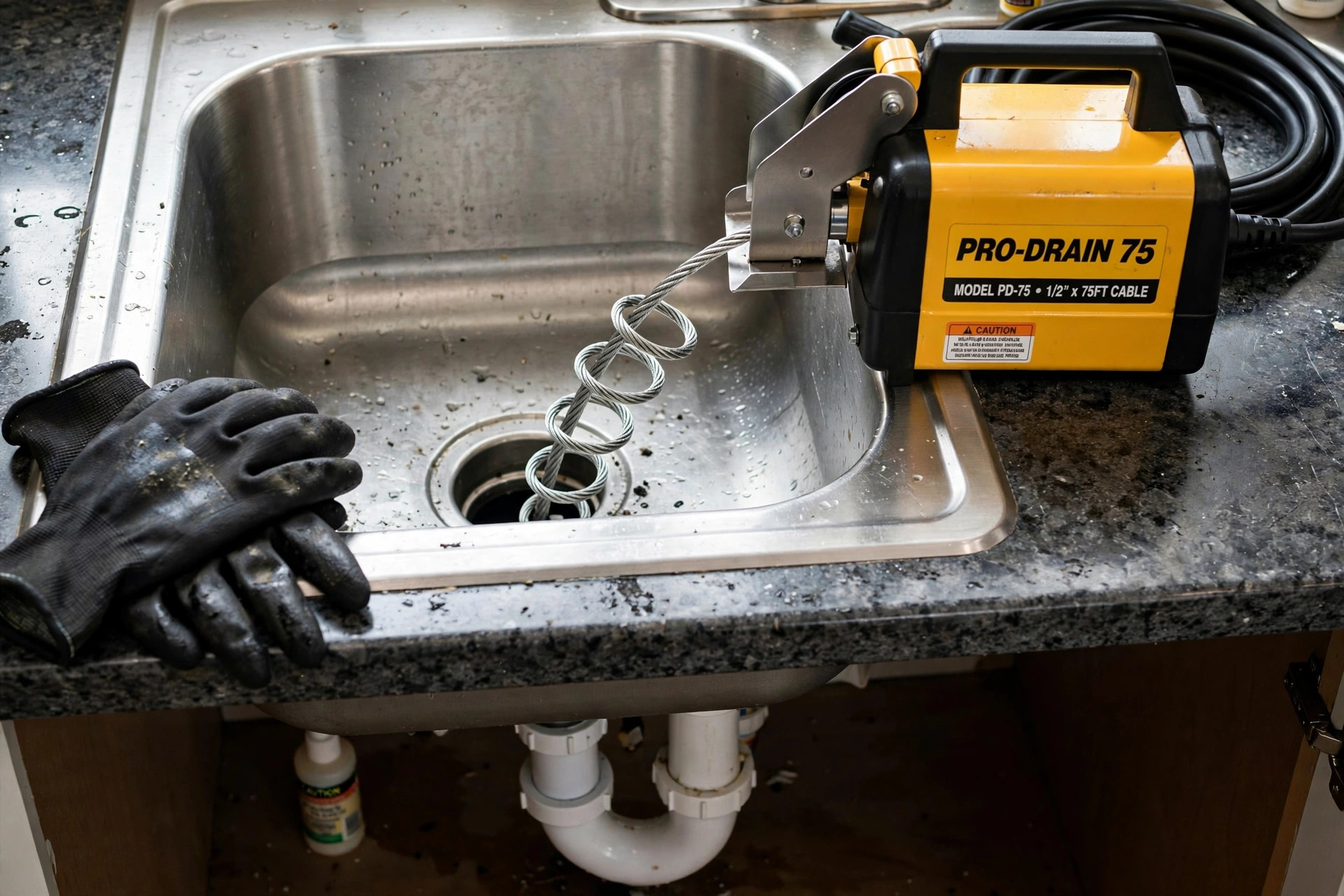
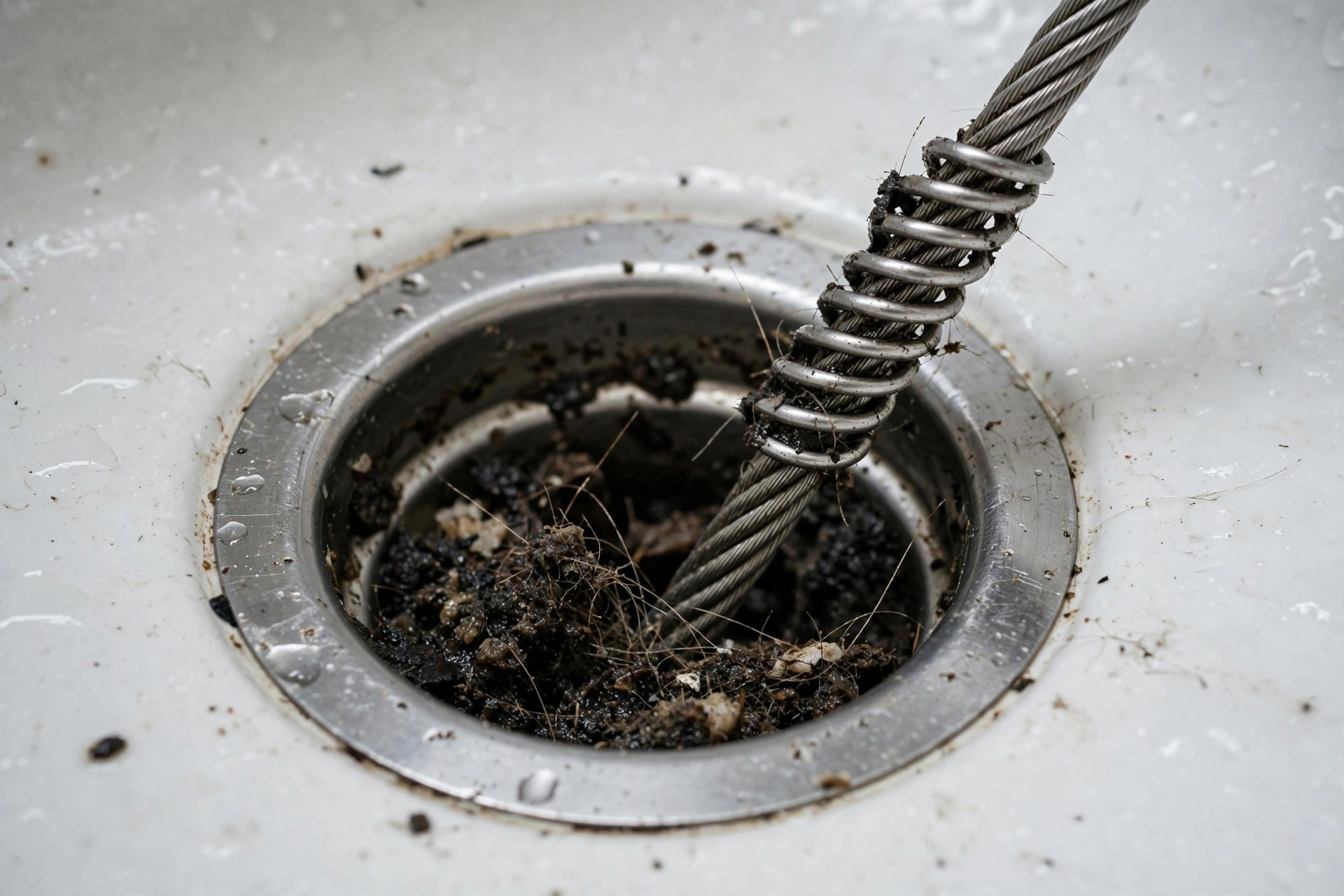
A drain snake comes back from the line coated in grease, soap scum, hair, and wastewater. If that coating dries on the cable, it hardens into a film that traps odor and gives rust a place to start. Rust pits the cable, and a pitted cable is weaker, rougher, and more likely to snag inside a pipe. A dirty snake also carries bacteria from one drain to another, which matters when the next job is a kitchen sink. Gloves, eye protection, and a washable work area are part of the routine, not extras. Treat the snake like a tool that touched wastewater, because it did. A few minutes of cleaning after each use keeps the tool sound and keeps your hands and floors cleaner on the next job.
Step by Step: Rinse, Wipe, Dry, Coil, Inspect, Store
Work outdoors or over a utility sink if you can, and wear gloves throughout. Pull the cable out slowly so you can see the full length, and keep the dirty cable off clean floors. Rinse with a garden hose or a strong tap spray, working from the handle end toward the tip, so grime washes off the end, not back toward you. Wipe the cable with a rag as you feed it back, which removes film the rinse left behind. Then wipe the cable and tip with a household disinfectant and a clean rag. Dry the cable fully with a dry rag, then let it air dry before coiling, since trapped moisture is what starts rust. Coil it loosely, inspect it, and store it dry. The table below lists the steps in order.
The P-Trap Note: Clean the Trap Too
The P-trap is the curved section under a sink, and it holds water that blocks sewer gas. When you snake a sink, debris from the trap can coat the cable, and the trap itself can hold the same film the snake just passed through. After snaking, check the trap. Place a bucket below it, loosen the slip nuts by hand, and let the water drain into the bucket. Wipe the inside of the trap with a rag, rinse it, and refit it snugly. Run water and check for drips at the joints. If the trap is corroded, cracked, or the nuts will not seal, stop and replace it rather than forcing it. A trap that drips after a cleaning has traded a clog for a leak, and a leak under a sink can damage the cabinet before anyone notices.
When to Stop DIY and Call a Pro
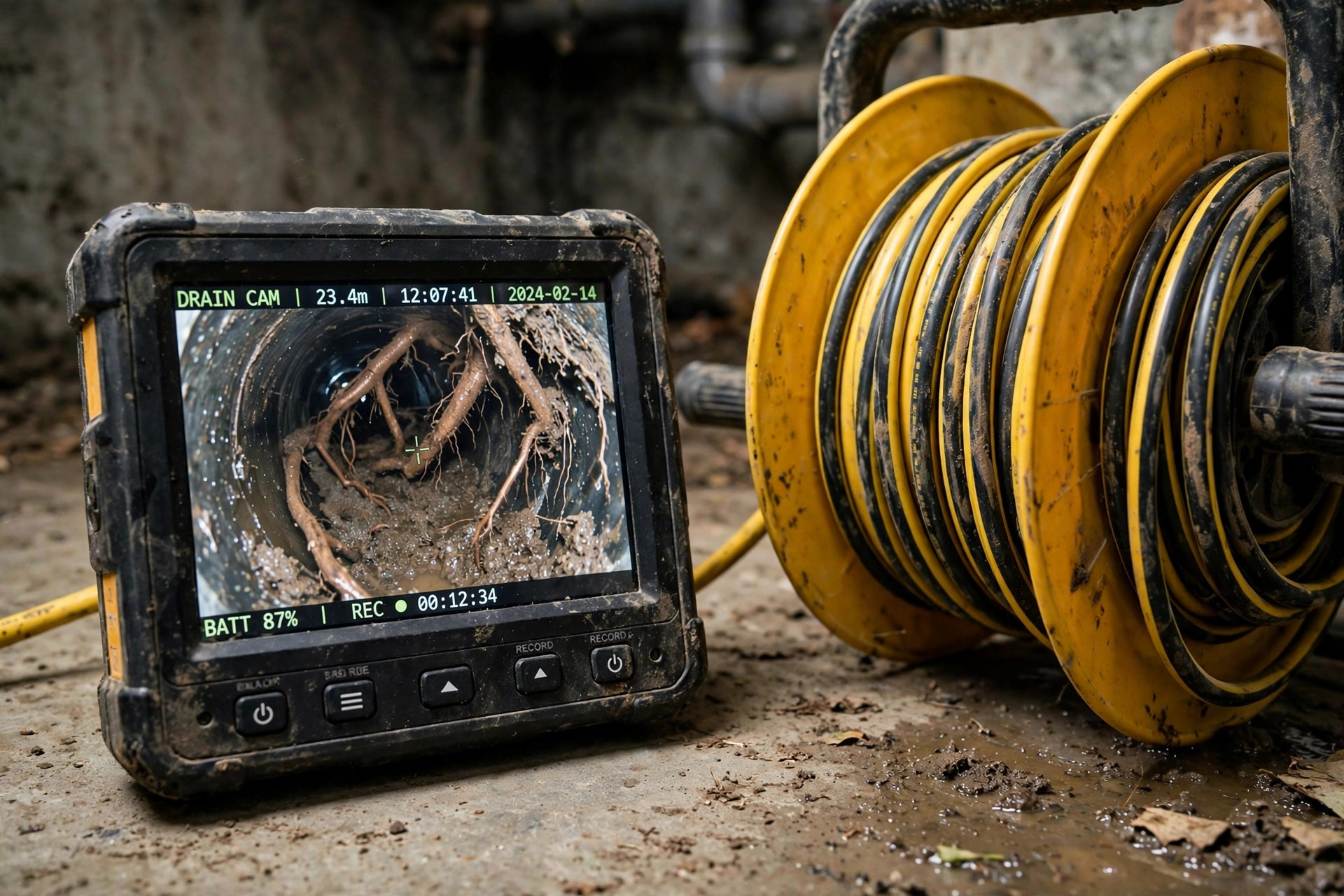
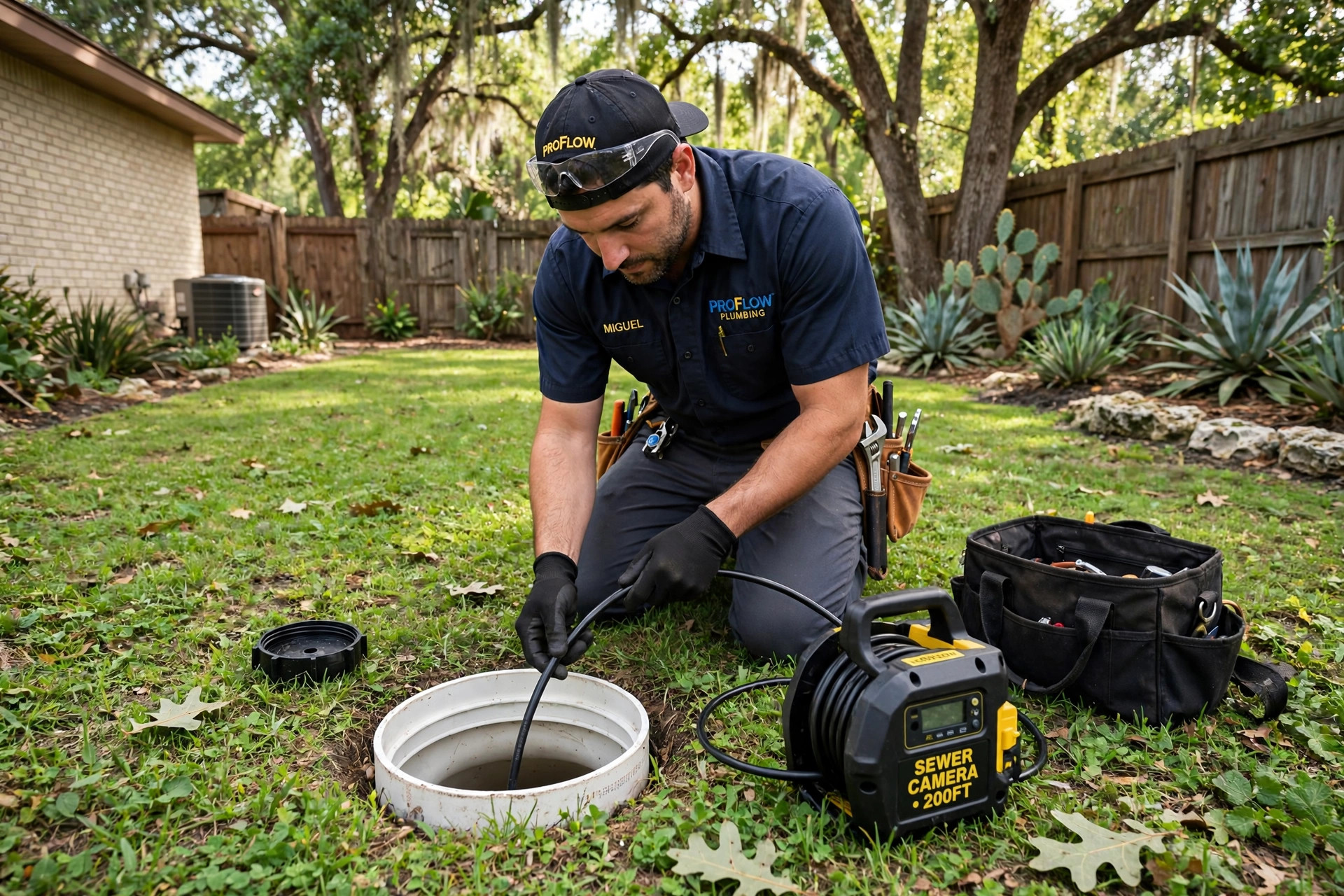
Stop snaking and call when the cable will not advance, when you feel grinding or heavy resistance, when the clog returns within days, or when several fixtures slow at once. Those signs point to a blockage the home snake cannot reach, such as roots, a break, or a main line clog. Also stop if the snake gets stuck: do not force it, since a stuck cable can damage the pipe or snap inside the line. A technician has longer cables, a camera to see the blockage, and the right tool for the pipe. For help, see our drain cleaning page, our drain camera inspection page, and our guide on slow drain diagnosis. We serve 37 Austin ZIP codes, including Westlake 78746. For a check, call Drain Cleaning Austin Pros at (737) 248-8499.
Snake Care Between Jobs
Cleaning after use is only half of snake care. The other half is the check and storage routine between jobs. After the cable is dry, run your gloved hand along its full length and feel for kinks, worn spots, frayed strands, and rough patches. A kinked cable bends at the same spot every time and can snap inside a pipe, so retire a cable that shows a sharp kink. Check the tip: a worn or bent tip will not bite into a clog, and a loose tip can come off inside the line. Check the handle and the drum, if your snake has one, for loose screws and smooth turning. A light wipe of machine oil on the cable after drying can slow rust, but wipe it thin, since a heavy coat attracts grime. Store the snake dry, coiled loosely, and off the floor, away from damp corners of a garage or shed. Keep the gloves you use for snaking with the tool, so you never handle a dirty cable barehanded. Do not lend a snake without cleaning it first, since a dirty tool hands someone else a rusty, smelly problem. Replace a cable that has frayed strands, a cracked handle, or a tip that will not hold. A new cable is far less trouble than a broken one stuck inside a pipe. Ten minutes of care after each job keeps the tool safe, sound, and ready for the next clog. If you use a snake often, keep a small kit beside it: gloves, rags, a brush, and a bucket, so the routine stays easy and you never skip it for want of supplies.
How to Clean a Drain Snake After Use: Step by Step FAQs
Common questions on this topic.
How do I clean a drain snake after use?
Rinse the full cable, wipe it down as you feed it back, disinfect the cable and tip, dry it fully, coil it loosely, inspect it for damage, and store it dry. Drying matters most, since trapped moisture starts rust.
Can I leave a drain snake wet?
No. A wet cable rusts, smells, and weakens over time. Dry it with a rag, let it air dry before coiling, and store it dry and off the floor.
How do I store a drain snake?
Store it dry, coiled loosely, off the floor, with the tip covered or pointed away from walkways. Keep gloves nearby, since the cable should be handled with gloves on the next use too.
When should I stop using a drain snake?
Stop when the cable will not advance, when you feel grinding or heavy resistance, when the clog returns within days, or when several fixtures slow at once. Those signs point to a deeper blockage that needs a check.
Related Drain Cleaning Services
Need a hand? These are the jobs we do every day.
More drain cleaning services
Drain acting up right now?
Call for same-day drain cleaning in Austin, Mon-Sat.
Call Us to Book a Visit
Calls are the way to book. Tell us what your drains are doing and we will set up the next open slot.