Slow Drain Diagnosis: Find the Real Cause
A slow drain is a symptom, not a diagnosis. The same slow swirl can come from hair in a trap, grease in a kitchen line, scale in an older pipe, or a partial blockage in the main sewer. Guessing can waste time and let the real trouble grow. A careful check of which fixtures are slow, when the trouble started, and what sounds and smells show up can narrow the cause fast. This guide walks through a simple way to track the pattern, test each fixture, and tell a local clog from a main line issue. For a check in Austin, call Drain Cleaning Austin Pros at (737) 248-8499.
Start With Which Fixtures Are Slow
Write down every fixture that drains slowly. If only one sink or one tub is slow, the trouble often sits near that fixture, in the trap, strainer, or short run. If a sink and a tub on the same bathroom slow together, the shared branch may be narrowing. If fixtures on two floors slow at once, or if a toilet, tub, and sink all slow together, the main line may be involved. Note when each fixture slowed and whether the trouble comes and goes. That timeline is useful. It helps a tech tell a local clog from a deeper line issue and pick the right check.
Listen, Smell, and Watch for Cross-Fixture Clues
Your ears and nose can help. Gurgling when a toilet flushes, bubbling in a tub when a sink drains, or a sewer smell near a floor drain often points to a shared line issue. Watch for water that rises in a tub when a toilet flushes, or a toilet water level that drops after a tub drains. Those cross-fixture signs mean air and water are finding another path because the main path is partly blocked. A single slow sink with no other signs is more likely a local clog. Keep notes on these clues and share them when you call, since they help pinpoint the spot fast.
Simple Tests You Can Do at Home
You can run a few safe tests. First, clear strainers and stoppers, then run hot water in each slow fixture one at a time and watch how fast it drains. Next, run water in a nearby fixture and watch the slow one for gurgling or rising water. If the slow fixture reacts when another runs, the trouble likely sits in a shared line. Check the outdoor cleanout only if you can reach it safely and it is not under pressure. Skip harsh chemicals, since they can damage pipes and seals. For a slow drain that keeps coming back, call Drain Cleaning Austin Pros at (737) 248-8499 for a camera check.
What a Camera Check Can Show
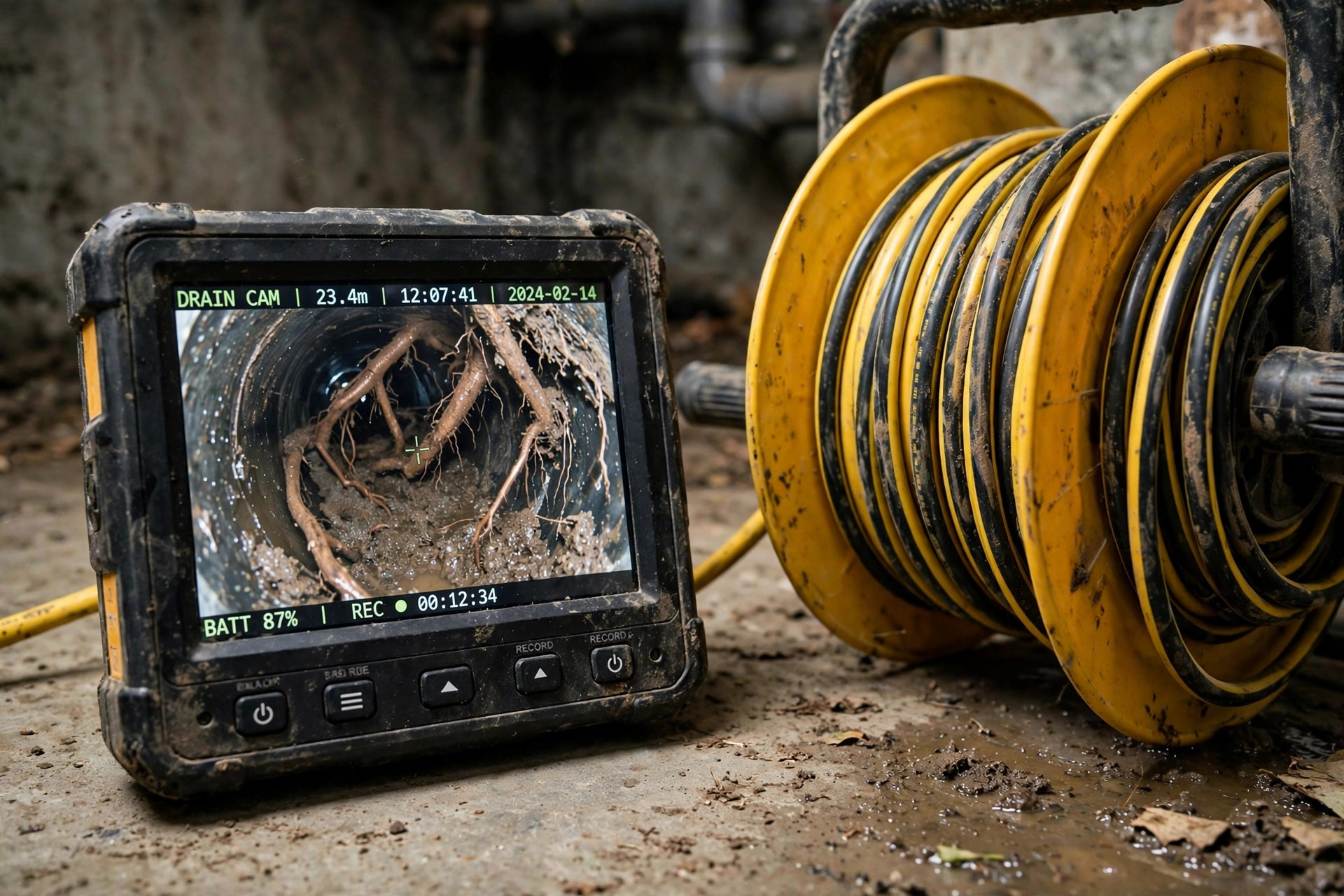
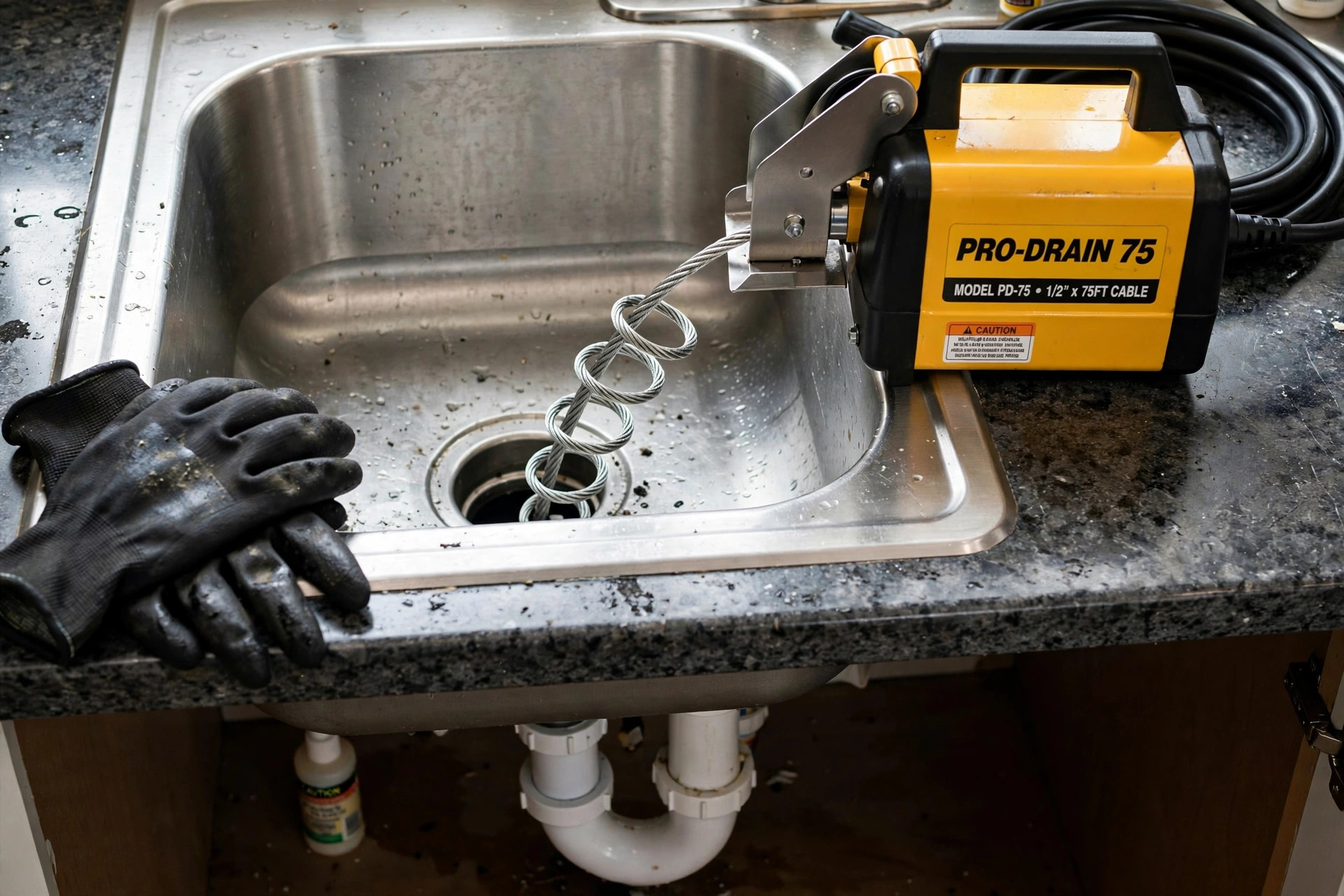
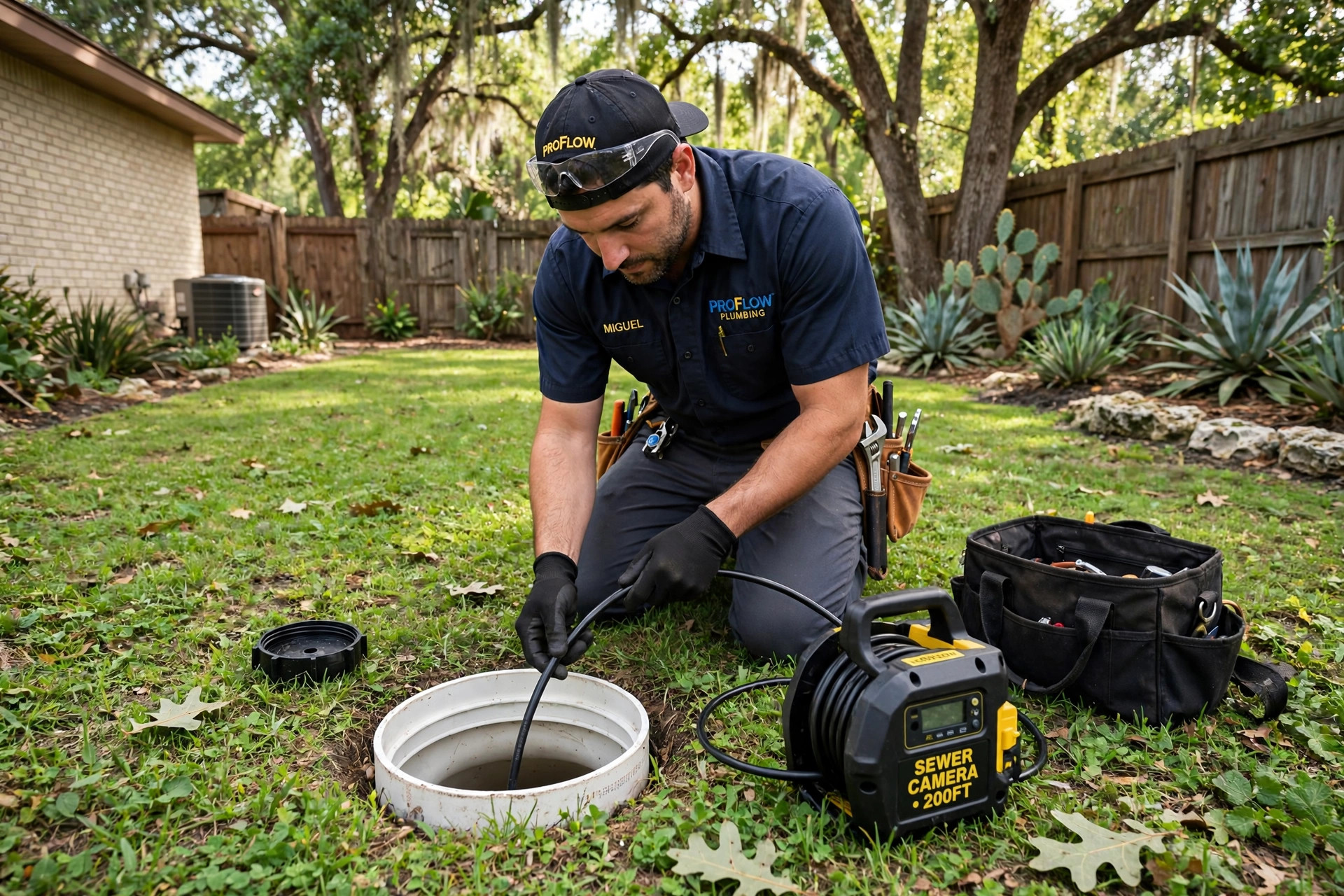
When the pattern points to a deeper line, a camera check gives a clear view. A small camera travels through the line and shows grease, scale, hair mats, roots, cracks, and bellies. That view helps a tech pick the right clearing step, whether a cable, jetting, or a repair is needed. It also shows whether the trouble is local or spread across the line. Ask the tech to walk you through what the camera shows and what each finding means for the next step. For a slow drain diagnosis in Austin, call Drain Cleaning Austin Pros at (737) 248-8499 and describe the pattern you tracked.
Slow Drain Diagnosis: Find the Real Cause FAQs
Common questions on this topic.
Why is only one drain slow?
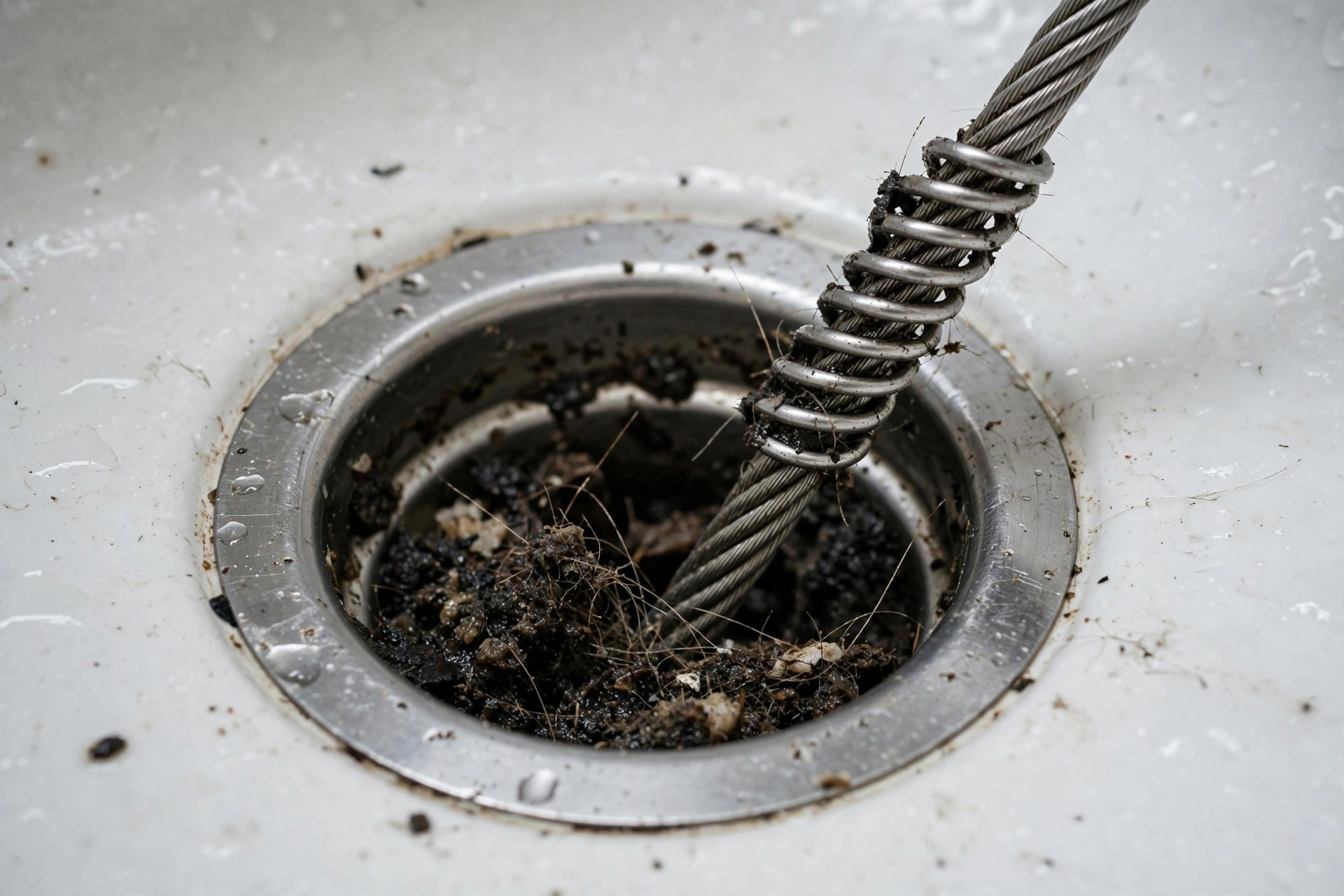
A single slow drain often means a local clog near that fixture, such as hair in a trap or grease in a short run. Clearing the strainer and trap may help. If it keeps slowing, a deeper check may be needed.
Why are several drains slow at once?
Several slow drains often point to a shared branch or the main line. A partial blockage in that shared line can slow flow across the house. A camera check can show where the blockage sits.
Does a gurgling drain mean a main line issue?
Gurgling can mean air is trapped by a partial blockage and is pushing back through traps. It often shows up with a shared line issue. Note which fixtures gurgle and when, then call for a check.
Related Drain Cleaning Services
Need a hand? These are the jobs we do every day.
More drain cleaning services
Drain acting up right now?
Call for same-day drain cleaning in Austin, Mon-Sat.
Call Us to Book a Visit
Calls are the way to book. Tell us what your drains are doing and we will set up the next open slot.