Hydro Jetting in Austin, TX
Hydro jetting uses high-pressure water to scour the inside of a pipe, clearing grease, soap scum, scale, and roots in one pass. In Austin, hard water leaves mineral scale that narrows pipes, while kitchen grease cools and coats the walls and bathroom drains collect hair and soap. Older cast iron adds rust and rough spots, clay laterals shift in limestone soil, and live oak roots push into joints where moisture seeps out. A cable can punch a hole through a clog, but jetting washes the full pipe wall, so debris has less to cling to after the visit. Same-day jetting visits are available Mon-Sat across Austin for homes where the line can handle high-pressure water. Call us when a drain keeps clogging, grease is heavy, or a camera look has shown scale or roots.
What Hydro Jetting Does
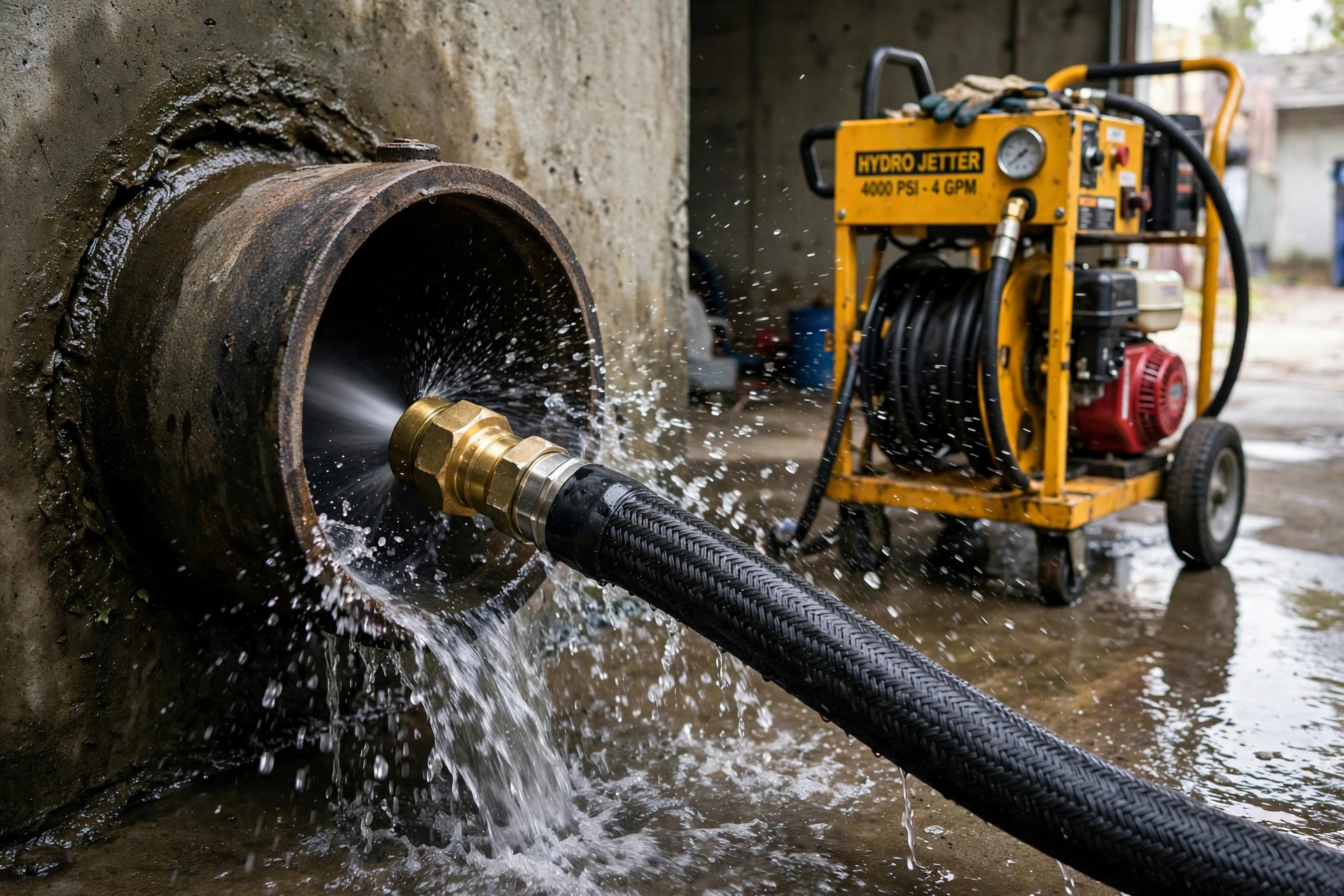
A jetting unit sends water through a hose at high pressure, and a nozzle at the tip sprays the water backward and forward to scour the pipe. The spray strips grease, soap scum, and scale from the walls, cuts through root mats, and flushes debris out to the main line. Because the water cleans the full circle of the pipe, not just a hole through the clog, flow often returns to near its original path. Jetting works on kitchen lines with heavy grease, bathroom lines with soap and hair, laundry lines with lint and soap, and main lines with roots and scale. We pick the nozzle and pressure for the pipe size and pipe material, so the jet cleans well without harming the line.
When Jetting Is the Right Choice
Jetting is a strong choice when a drain keeps clogging after cable clearing, or when grease and scale coat a long stretch of pipe. It is also a good choice for main lines with root mats, since the spray can cut roots and flush them out to the city main. Kitchens with heavy grease, homes with hard water scale, and older cast iron lines with rough walls often gain the most from jetting. Jetting is not right for every line, since a weak, cracked, or collapsed section can be harmed by high-pressure water. When damage is suspected, we suggest a camera look first, so we can see the line and pick the safest next step. If the line is sound, jetting can leave it clear and smooth, with less for debris to catch on.
What to Expect on the Visit
We start with a check of the fixtures that drain slowly and a look at how water moves through nearby drains. We find an access point, often a cleanout, and feed the jet hose into the line from there. The nozzle moves slowly through the line, spraying in all directions, and we pull it back in steady passes until the water runs clear. Debris flushes out to the main, and we watch flow at nearby fixtures to make sure the line moves as it should. When roots or damage are suspected, we may suggest a camera look after jetting to check the line and show what remains. The visit ends with simple care tips, so grease, hair, and scale build up more slowly after the cleaning.
Caring for Pipes After Jetting
A jetted pipe starts clean, and a few habits help keep it that way, even with Austin hard water and older pipes. Keep grease out of the sink, scrape plates into the trash, and wipe pans with a paper towel before washing. Use hair catchers in showers and tubs, and clear them after each use so hair never reaches the line. Run hot water for a short time after washing dishes to move soap and light grease along the line. Avoid flushing wipes, paper towels, and cotton swabs, and keep lint screens in place on laundry drains. Skip drain chemicals, since they can harm older pipes and rarely help after a full jetting, and call us if a drain slows again soon.
Snaking vs Hydro Jetting vs Camera: Which Method Fits
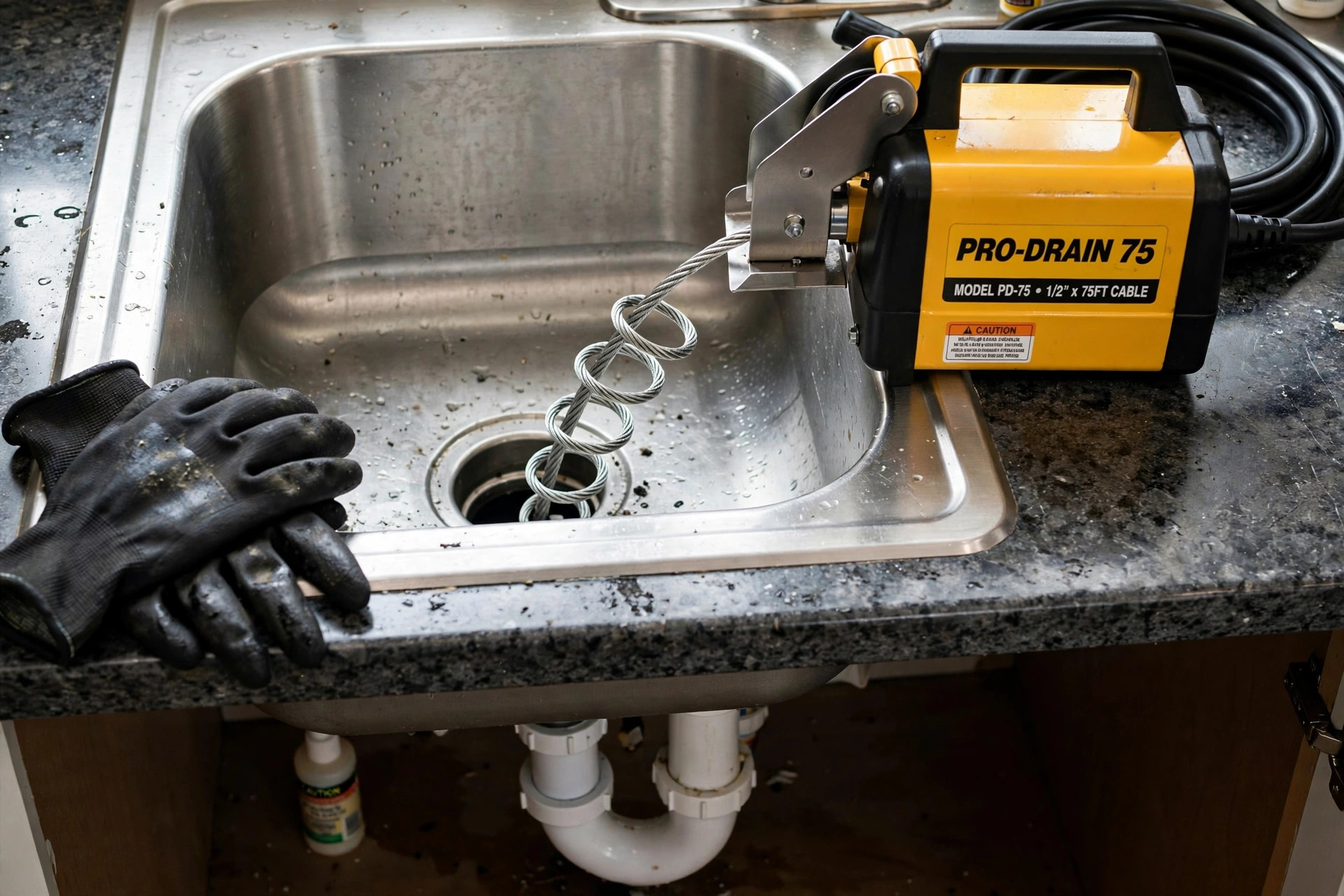
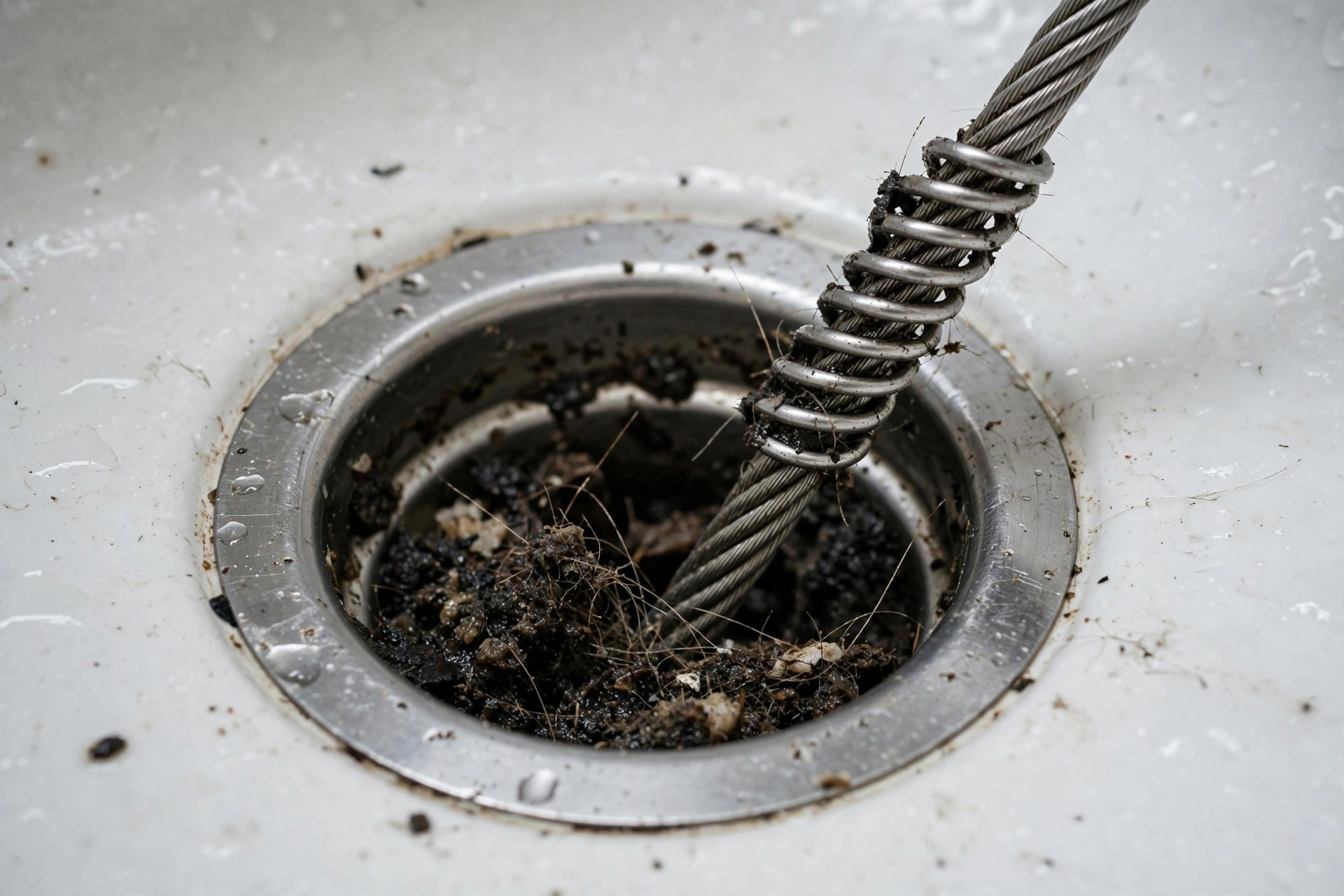
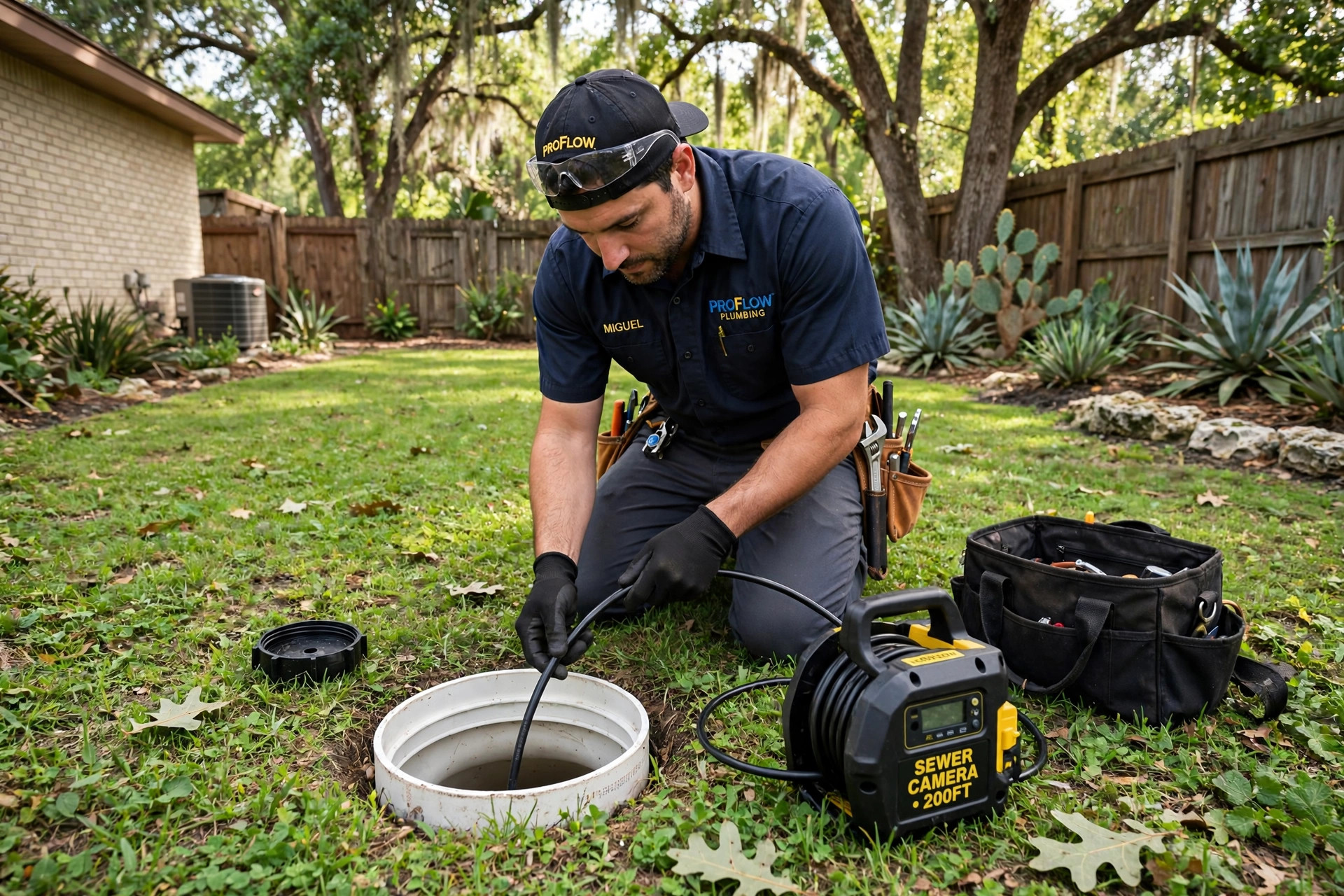
Hydro jetting is the deep-cleaning method, and it works best when the pipe wall, not just the clog, is the problem. A cable snake breaks through a blockage and pulls debris back out, which fits a soft, local clog. Jetting scours the whole pipe wall with high-pressure water, which fits grease, scale, sludge, and root mats across a run. A camera inspection shows the inside of the line, which fits repeat clogs and any line that needs a check before jetting. The table below puts the three side by side. When damage is suspected, the camera comes first, since jetting is not for a cracked, weak, or collapsed pipe.
When to Call for Hydro Jetting
Call for jetting when a drain keeps clogging after cable clearing, when grease coats a long stretch of pipe, or when sludge or a root mat lines the main. A kitchen line that slows again weeks after snaking, or a main line that backs up with sludge, are classic jetting jobs. If the line is old, or if clogs keep coming back in the same spot, ask for a camera check first. The camera shows cracks and weak joints, so the technician can confirm the line is sound before jetting. Same-day visits run Mon-Sat across 37 Austin ZIP codes.
Hydro Jetting FAQs
Common questions about hydro jetting in Austin.
Is hydro jetting safe for older pipes?
Jetting is safe for most sound pipes, but it is not right for a weak, cracked, or collapsed section. We check the line and suggest a camera look when damage is suspected. That check helps us pick a pressure and nozzle that clean without harming the pipe.
How is jetting different from cable clearing?
A cable punches a hole through a clog, while jetting washes the full pipe wall. Jetting strips grease, soap scum, and scale from the walls and flushes debris out to the main. That fuller cleaning often keeps the drain open longer.
Can jetting clear roots?
Yes, jetting can cut through root mats and flush roots out of the line. Roots often grow back if the joint still leaks moisture, so a camera look helps find the entry point. If roots keep coming back, we will talk through the next steps for that section.
How long does a jetting visit take?
Most jetting visits take a few hours, based on the length of the line and the amount of buildup. Main lines and heavy root mats take longer than a single kitchen line. We will tell you what to expect after we check the line.
Do you offer same-day hydro jetting?
Yes, same-day jetting visits are available Mon-Sat across Austin, based on the day's schedule. Call early for the widest choice of arrival times. If your drain is backing up, tell us when you call so we can plan the visit.
What is hydro jetting?
Hydro jetting uses high-pressure water to scour the inside of a pipe, clearing grease, soap scum, scale, and roots in one pass. A nozzle sprays water in several directions as the hose moves through the line, washing the full pipe wall.
How does hydro jetting work?
A jetting unit sends water through a hose at high pressure. The nozzle sprays backward and forward, stripping buildup from the walls and flushing debris out to the main. The technician picks the nozzle and pressure for the pipe size and material.
Does hydro jetting clear grease?
Yes, grease is one of the best fits for jetting. The spray cuts the grease coating off the pipe wall and flushes it out, which is why jetting often gives a longer lasting clear-out on grease-heavy kitchen lines.
Related Drain Cleaning Services
More ways we keep Austin drains flowing.
More drain cleaning services
Ready for Hydro Jetting in Austin, TX?
Call now for hydro jetting in Austin. Same-day appointments, Mon-Sat.
Call Us to Book a Visit
Calls are the way to book. Tell us what your drains are doing and we will set up the next open slot.