Tree Roots in Sewer Lines: Austin Live Oak Problems
Live oaks give Austin yards shade and character, and their roots can also find their way into sewer lines. Roots seek moisture, and a tiny joint gap, hairline crack, or loose connection in an older clay lateral is an open door. Once a fine root slips inside, it catches paper and waste, then thickens into a mat that slows flow. Over time, that mat can block the line and push waste back into the home. This guide explains why live oaks are a common cause of sewer clogs, lists the signs to watch, and shows what to do when roots show up. For a check, call Drain Cleaning Austin Pros at (737) 248-8499.
Why Live Oak Roots Hunt for Sewer Lines
Roots grow toward moisture, and a sewer line is a steady source. In dry Austin summers, soil dries out and roots spread wider in search of water. A sewer lateral that leaks even a little at a joint can draw roots from yards away. Older clay laterals are most at risk, since they have many joints and can crack with soil movement. Limestone soil swells when wet and shrinks when dry, and that shift can open joints just enough for a fine root to enter. Once inside, the root finds water and nutrients, so it grows fast and sends out more fine roots that catch waste.
Signs Roots Have Entered the Line
Root clogs often show up as repeat trouble. A drain that was cleared and slows again within weeks, or several fixtures that slow at once, can point to roots. Listen for gurgling when a toilet flushes, and watch for water that rises in a tub or shower. Outside, a damp patch or a strip of lush grass near the sewer path can point to a leak that is feeding roots. In some cases, you may hear a faint trickle in the line after water use. Keep notes on which fixtures act up. That pattern helps a tech find where roots may have entered and plan a camera check.
How a Tech Checks and Clears Root Clogs
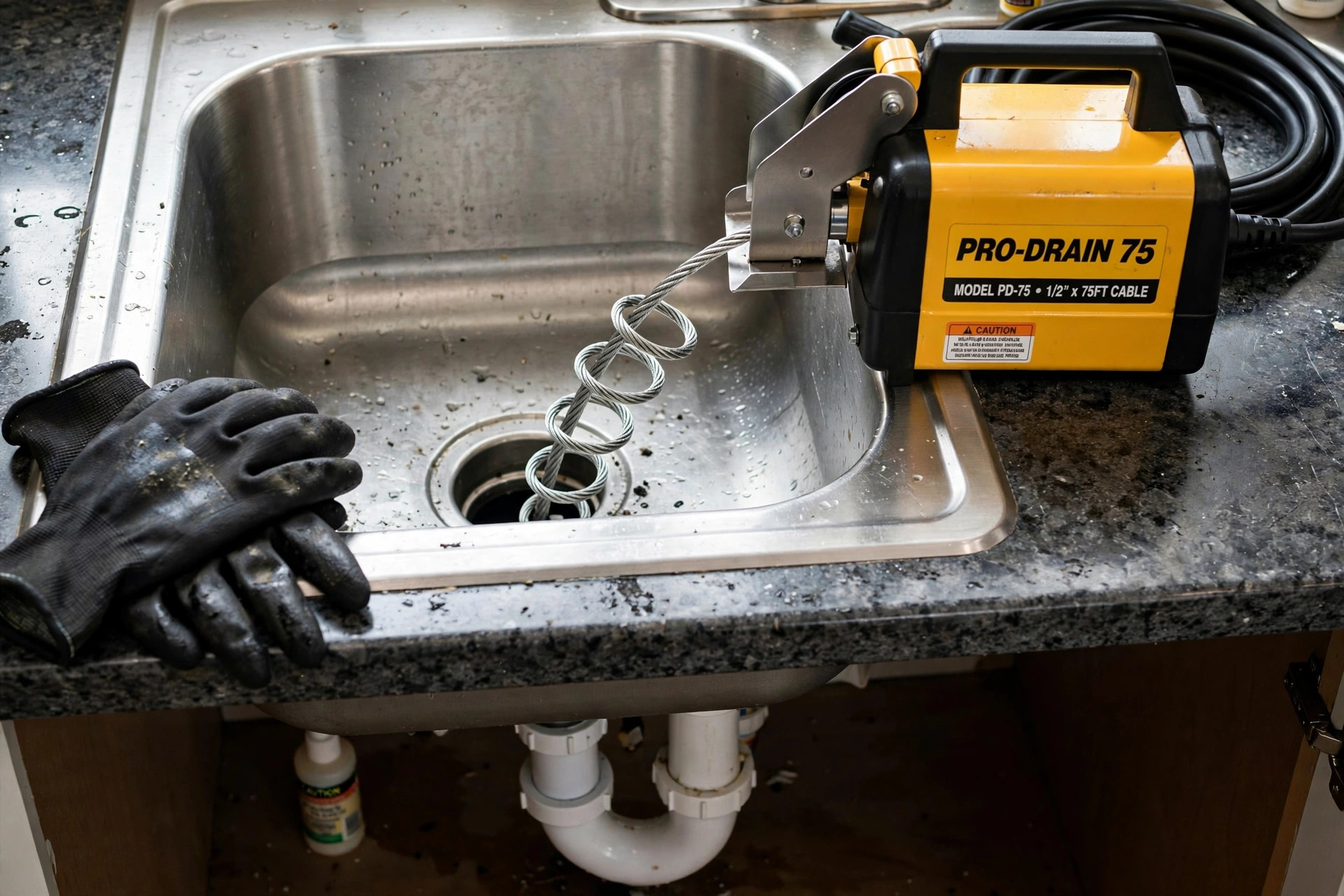
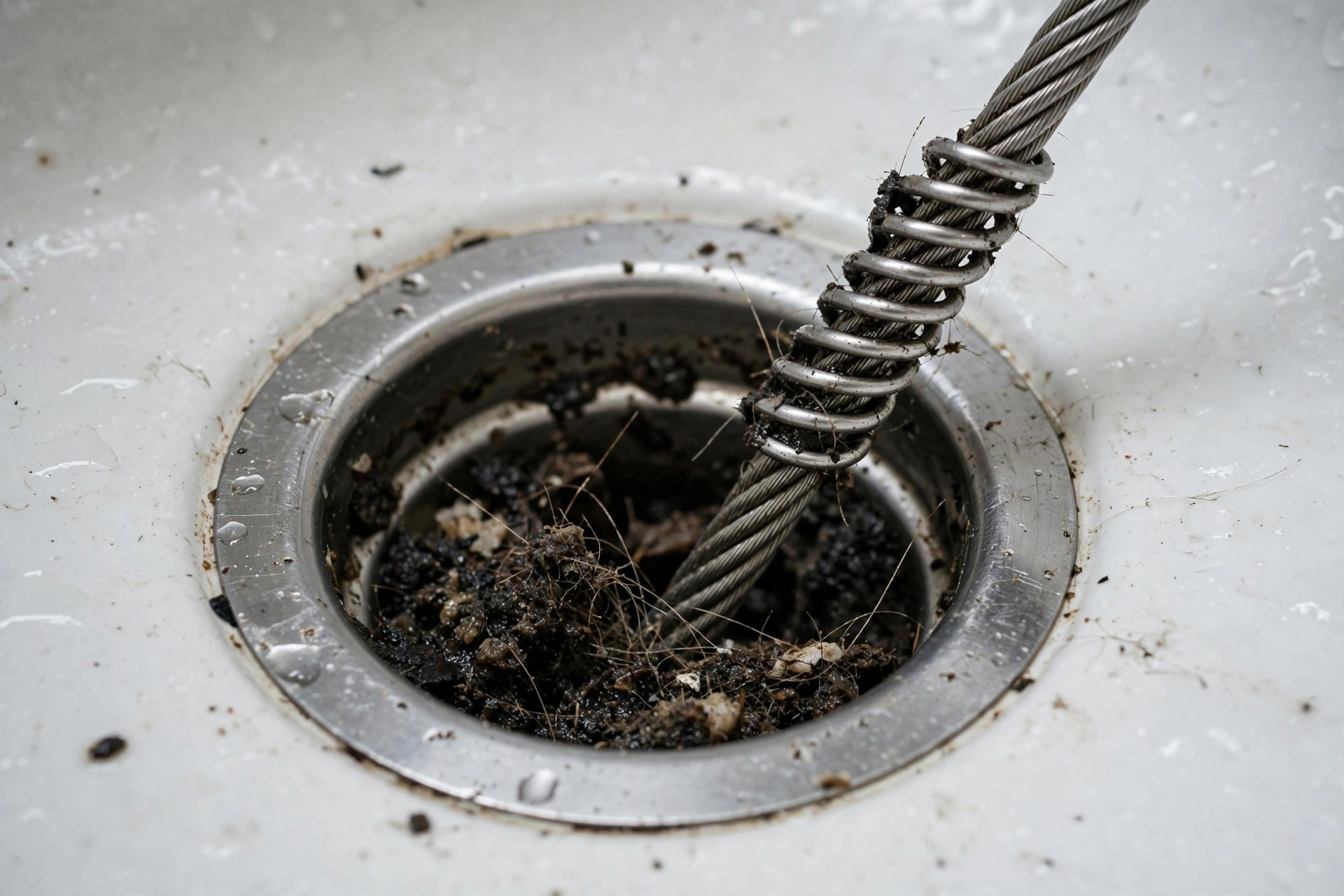
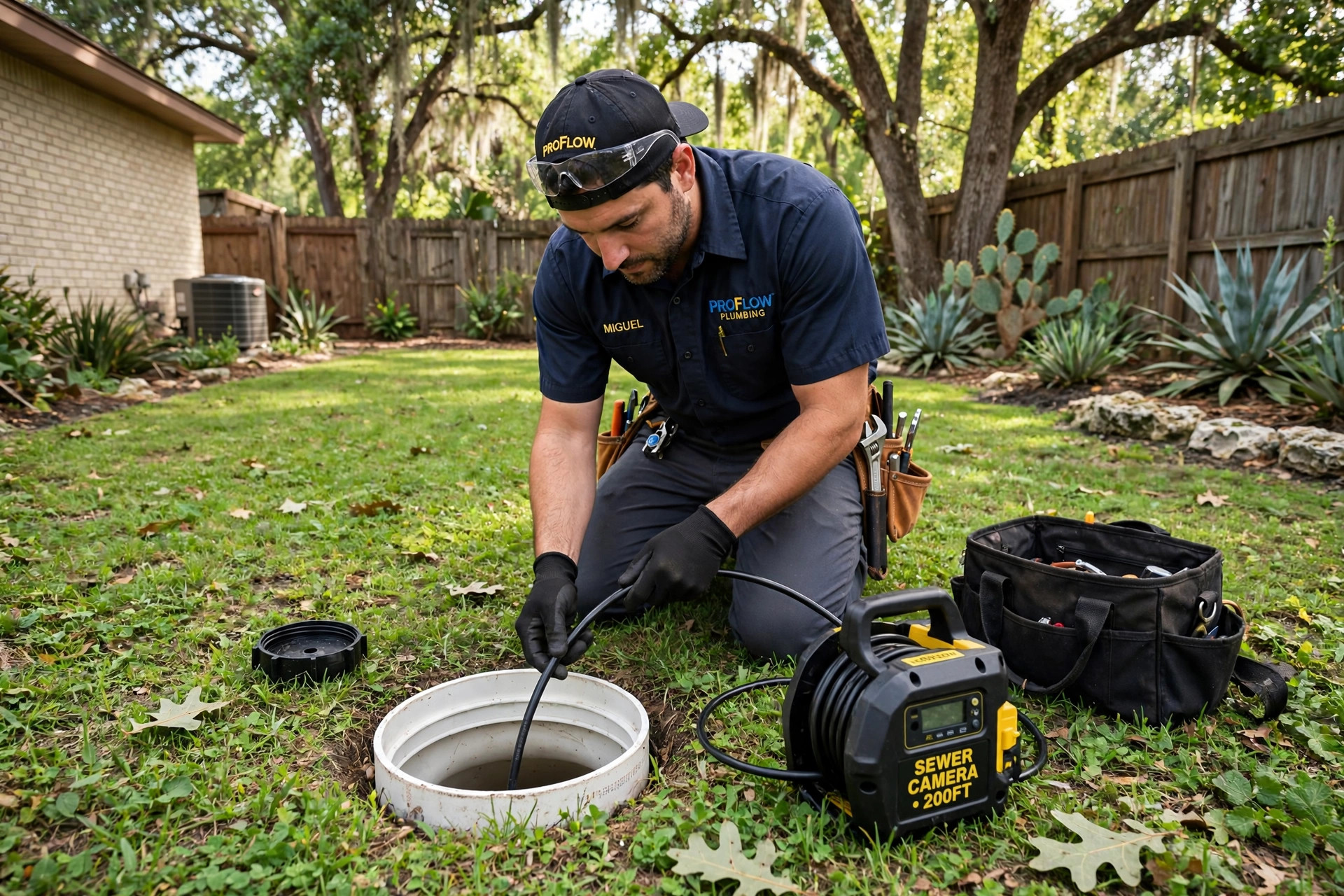
A camera check is the best way to confirm roots. A small camera travels through the line and shows roots, cracks, joints, and bellies on a screen. That view tells the tech where roots entered and how thick the mat has grown. A cable can cut through a root mat and restore flow, while hydro jetting can wash fine roots and sludge off the pipe wall. The right step depends on the pipe shape and the extent of the damage. After the clear-out, the tech can talk through next steps to keep the line open. For a root check in Austin, call Drain Cleaning Austin Pros at (737) 248-8499.
Keeping Roots Out After a Clear-Out
Once roots are cleared, prevention focuses on the line and the yard. Keep the line clear with regular checks if your home has older clay laterals or a history of root clogs. Avoid planting new trees near the sewer path, and keep soil moisture even where you can, since dry soil draws roots wider. Watch for early signs, such as a repeat slow drain or a gurgling toilet, and act on them fast. Do not pour harsh chemicals into the line, since they can damage pipes and seals. If you see several warning signs at once, call Drain Cleaning Austin Pros at (737) 248-8499 for a camera check.
Tree Roots in Sewer Lines: Austin Live Oak Problems FAQs
Common questions on this topic.
Can tree roots break a sewer line?
Roots can widen small cracks and joints as they grow, and a thick mat can block flow. Over time, that pressure can damage the pipe. A camera check can show whether roots have caused a break or just a blockage.
How do I know if roots are in my sewer line?
Repeat clogs, slow drains across several fixtures, and gurgling toilets often point to roots. A damp yard patch near the sewer path can also be a clue. A camera check gives a clear view of roots inside the line.
Should I remove a live oak near my sewer line?
Do not rush to remove a healthy tree. A camera check can show where roots entered and how much damage exists. A tech can then talk through the best next step for the line and the yard.
Related Drain Cleaning Services
Need a hand? These are the jobs we do every day.
More drain cleaning services
Drain acting up right now?
Call for same-day drain cleaning in Austin, Mon-Sat.
Call Us to Book a Visit
Calls are the way to book. Tell us what your drains are doing and we will set up the next open slot.