Kitchen Grease Clogs: Why They Happen and How to Stop Them
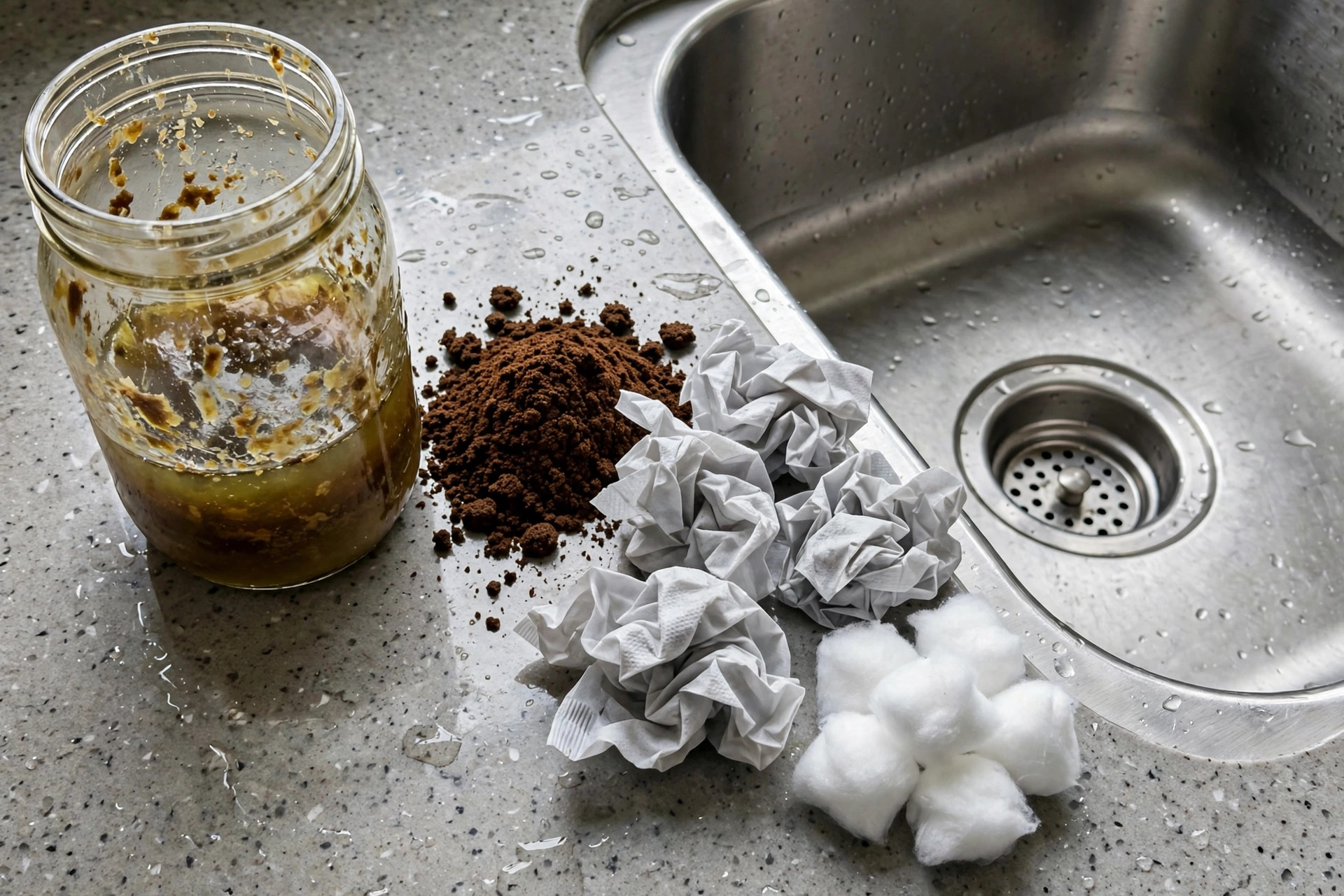
Kitchen drains in Austin clog slowly, not all at once. A little grease from a pan, a rinse of a greasy plate, and a splash of oily dressing may look harmless. Inside the pipe, that grease cools, sticks to the wall, and hardens into a waxy layer. Over weeks, the layer narrows the pipe and catches food bits, soap, and coffee grounds. Water then drains slower, the sink gurgles, and a faint smell can rise from the trap. This guide explains why grease is so stubborn, shows daily habits that stop buildup, and lists signs that a line needs a clear-out. For help, call Drain Cleaning Austin Pros at (737) 248-8499.
Why Grease Sticks and Hardens Inside Pipes
Grease is liquid when hot, but it cools fast inside a drain line. As it cools, it clings to pipe walls and turns into a sticky, waxy coat. That coat grabs food scraps, soap, and grounds, and each layer makes the opening smaller. Hot water alone will not wash it away, since the grease cools again farther down the line and sticks there. In Austin homes with hard water, scale adds a rough surface that holds grease even tighter. The result is a slow drain that keeps coming back. The fix starts with keeping grease out of the drain in the first place, not with pouring more grease down the sink.
Daily Habits That Keep Grease Out of the Drain
Small kitchen habits make a big difference. Wipe greasy pans and plates with a paper towel before washing, and toss the towel in the trash. Pour cooled cooking oil into a sealed jar or can, then toss it with the trash once it is full. Use a sink strainer to catch food bits, and empty it into the trash after each wash. Run hot water for a short burst after washing dishes to move soap and loose residue through the line. Scrape plates well before rinsing. These steps take seconds, yet they keep the line far clearer than any after-the-fact flush.
Signs Your Kitchen Line Needs a Clear-Out
A kitchen line that needs help often gives clear signs. Water pools in the sink and drains slowly, even after you clear the strainer. The sink gurgles when the dishwasher runs, or a faint sour smell rises from the drain. Grease may show as a pale film in the trap or as a slow swirl when water drains. If a plunger helps for a day and the slow drain returns, the blockage is likely deeper in the line, not in the trap. Skip harsh chemicals, since they can damage pipes and seals. For a kitchen line that keeps slowing, call Drain Cleaning Austin Pros at (737) 248-8499 for a check.
What a Tech Does for a Grease Clog
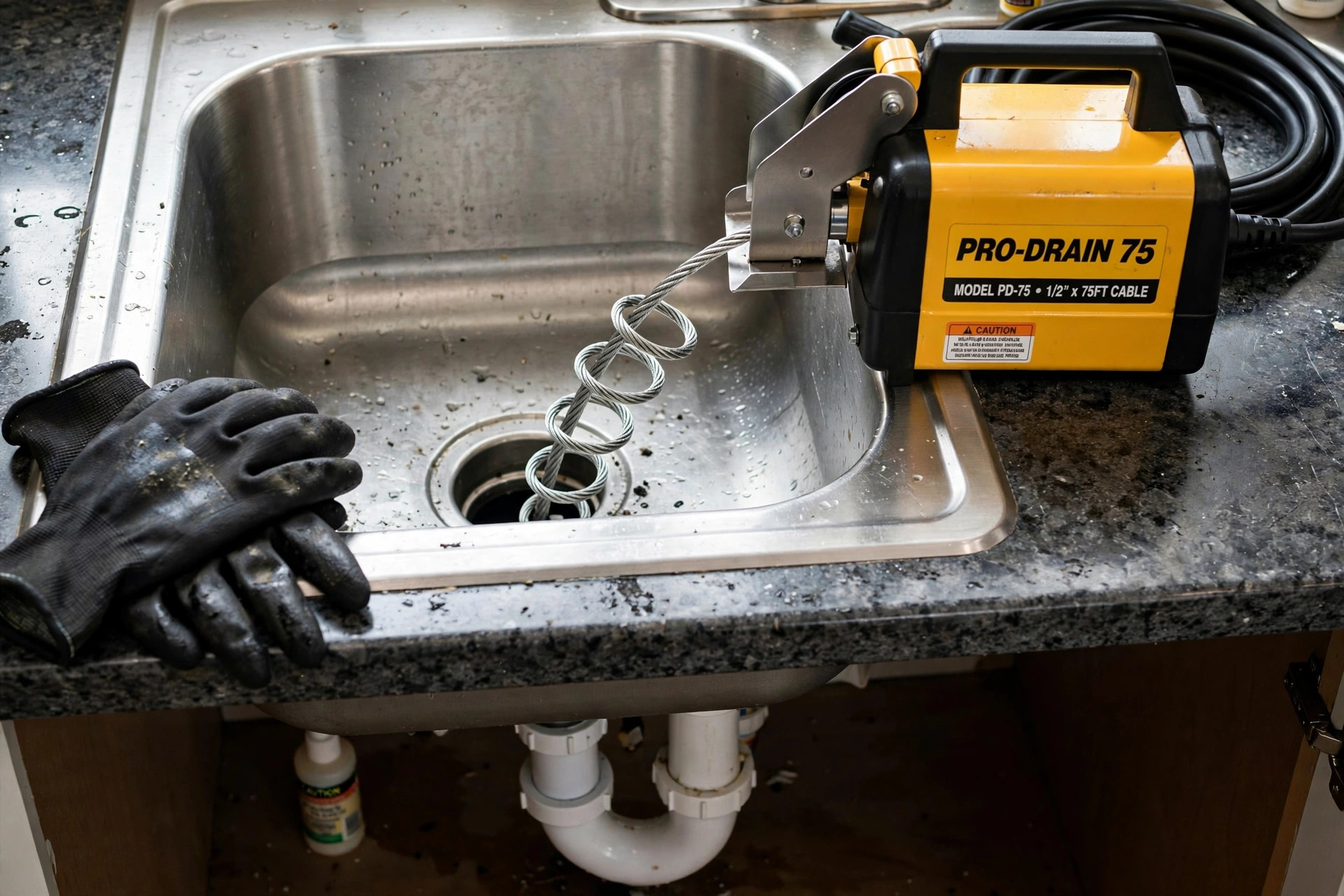
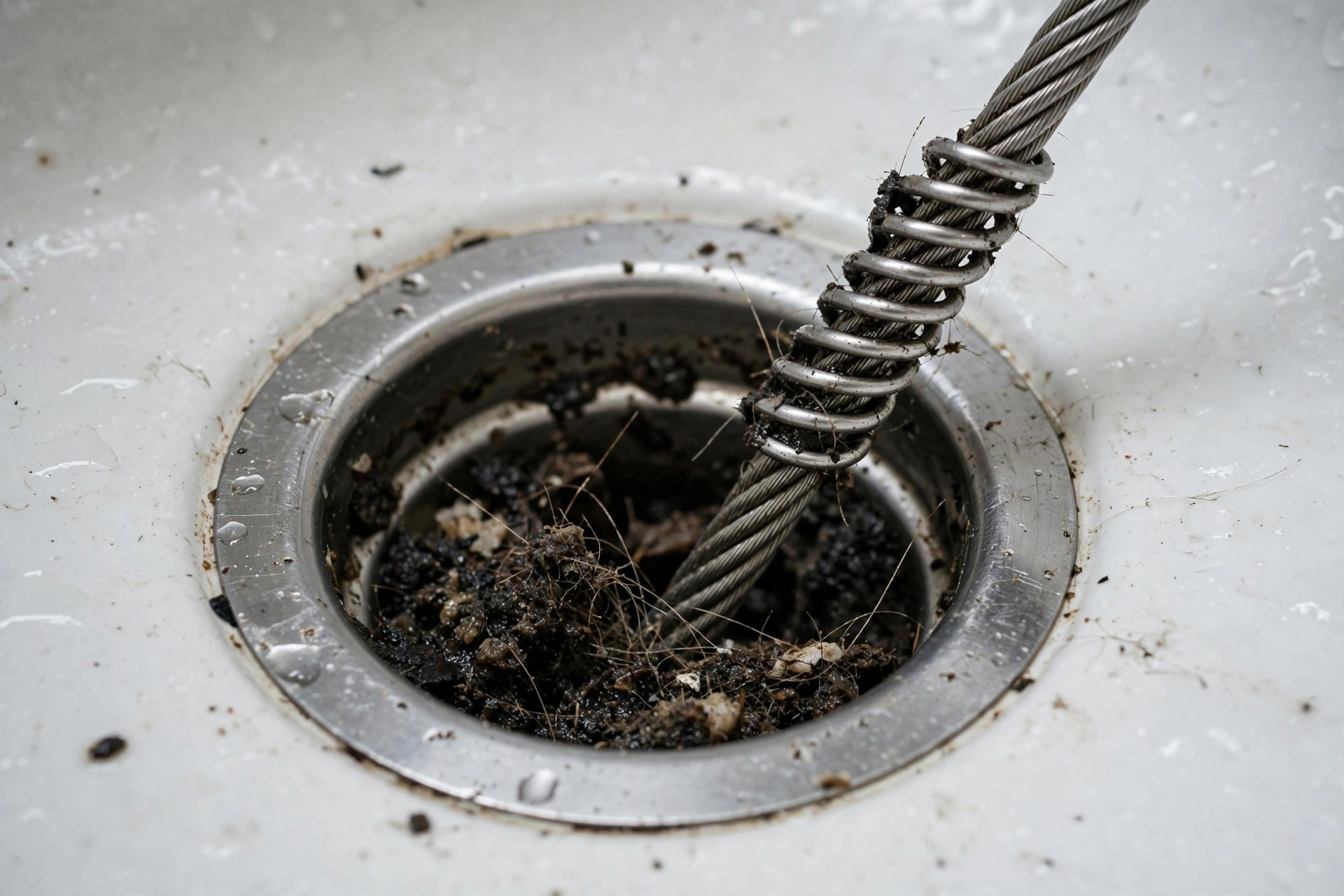
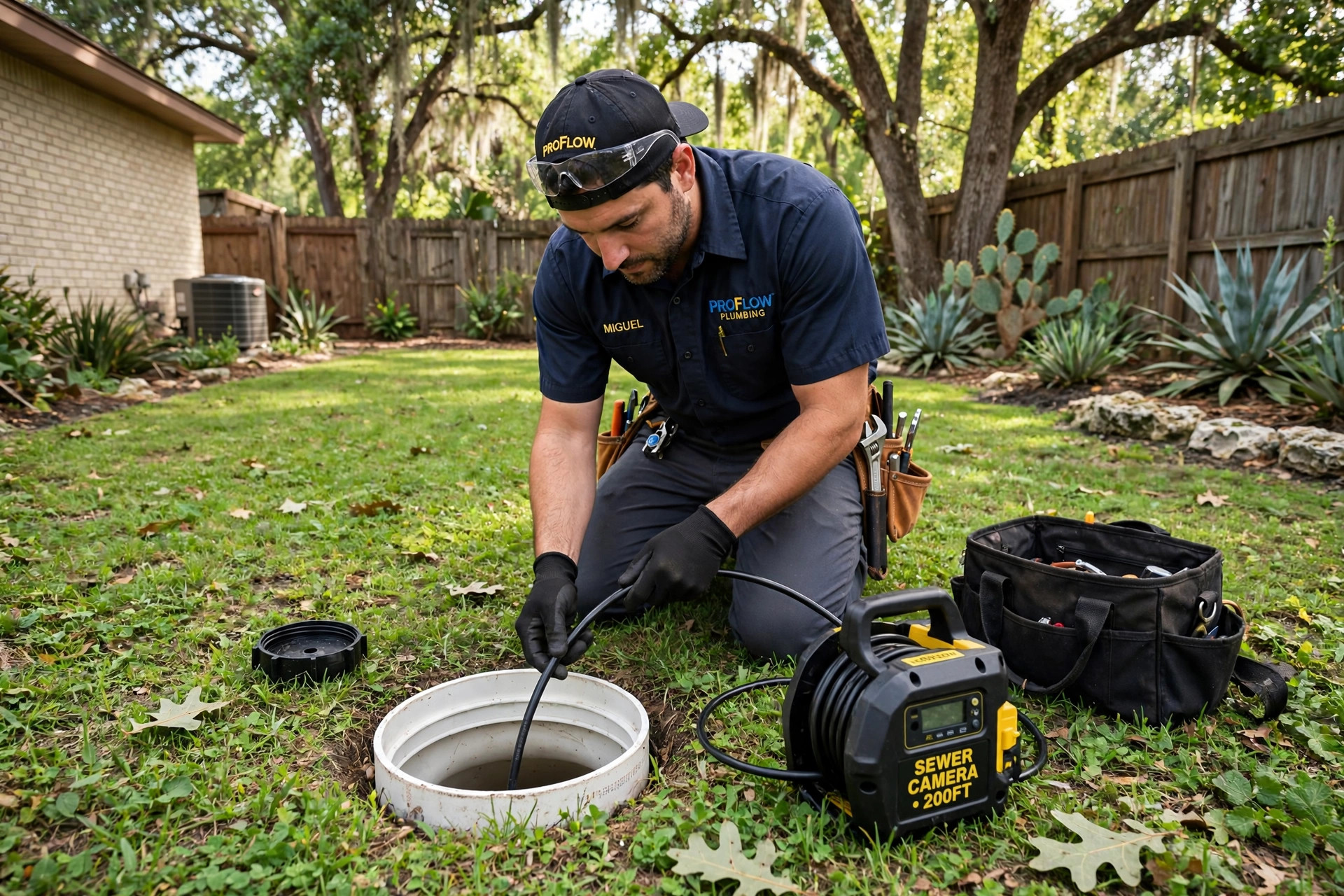
A tech starts by checking which fixtures are slow and where the grease has built up. A cable can open a path through a soft clog, while hydro jetting can wash grease off the pipe wall for a deeper clean. A camera check can show how far the grease runs and whether scale or a belly is holding it in place. After the clear-out, the tech can suggest habits that keep the line open, such as wiping pans, using a strainer, and keeping oil out of the sink. Keep a simple log of slow drains after the visit. If the sink slows again soon, that pattern helps pinpoint the next step.
Kitchen Grease Clogs: Why They Happen and How to Stop Them FAQs
Common questions on this topic.
Can hot water dissolve a grease clog?
Hot water can move soft grease a short distance, but the grease cools again farther down the line and sticks there. That often moves the clog deeper rather than clearing it. Wiping grease out of pans and keeping oil out of the sink works better.
What should I do with cooking oil?
Let oil cool, pour it into a sealed jar or can, and toss it with the trash once full. Wipe the pan with a paper towel before washing. Never pour oil down the sink, even with hot water running.
Why does my kitchen sink gurgle when the dishwasher runs?
Gurgling often means air is trapped by a partial blockage in a shared line. The dishwasher pushes water into that line, and air escapes through the sink trap. A check can show where the blockage sits.
Related Drain Cleaning Services
Need a hand? These are the jobs we do every day.
More drain cleaning services
Drain acting up right now?
Call for same-day drain cleaning in Austin, Mon-Sat.
Call Us to Book a Visit
Calls are the way to book. Tell us what your drains are doing and we will set up the next open slot.