Hydro Jetting vs Snaking: Which Clears Drains
When a drain will not clear, two tools do most of the work in Austin homes: a cable snake and a hydro jet. A snake breaks through a blockage and pulls debris back, which can restore flow fast when the clog sits in one spot. A hydro jet uses high pressure water to scour the pipe wall and wash grease, scale, and sludge out of the line. Both have a place, and the right pick depends on what is blocking the pipe, where the blockage sits, and what shape the pipe is in. This guide explains how each method works, when each one fits, and what to ask before work starts. For help, call Drain Cleaning Austin Pros at (737) 248-8499.
How a Cable Snake Clears a Clog
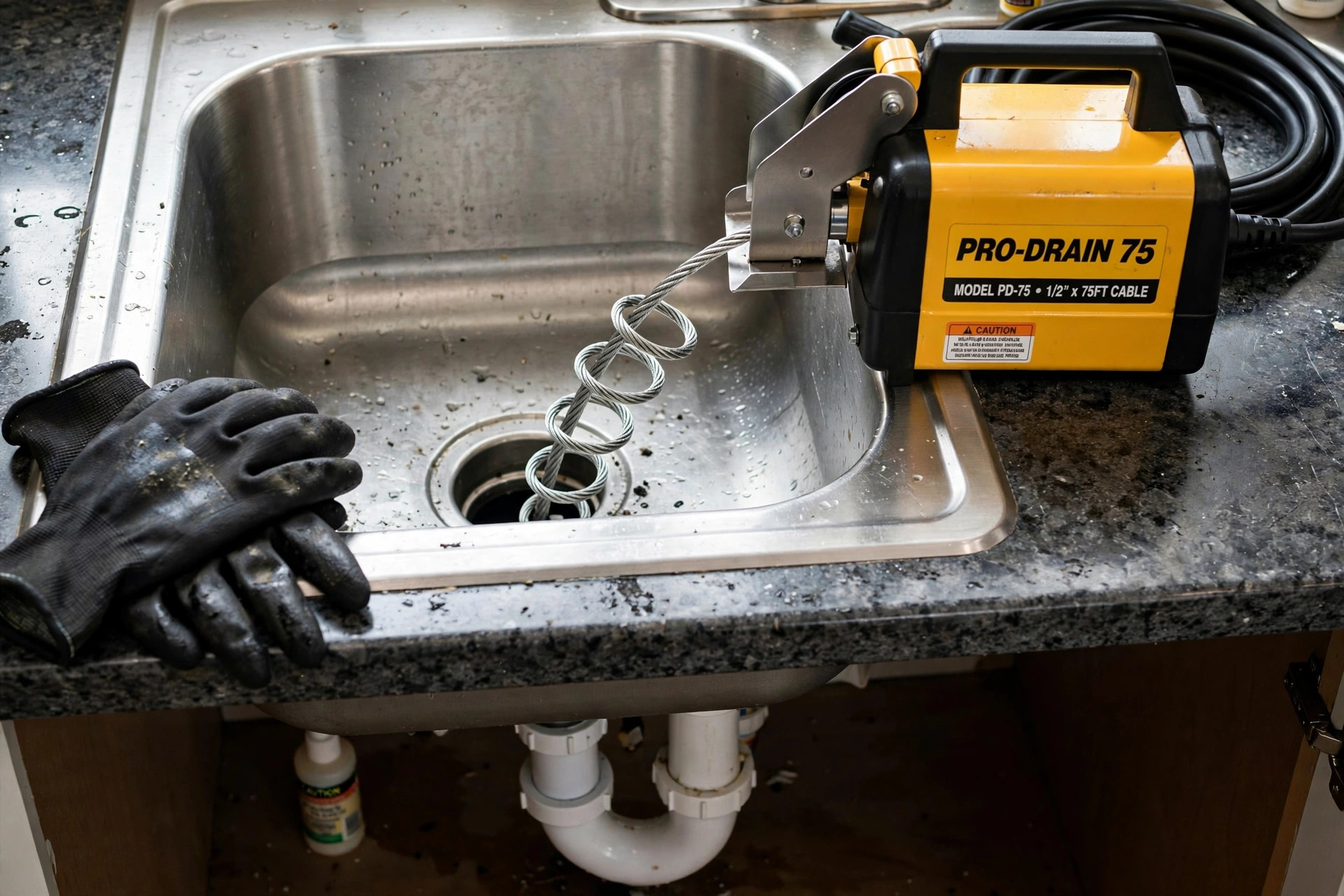
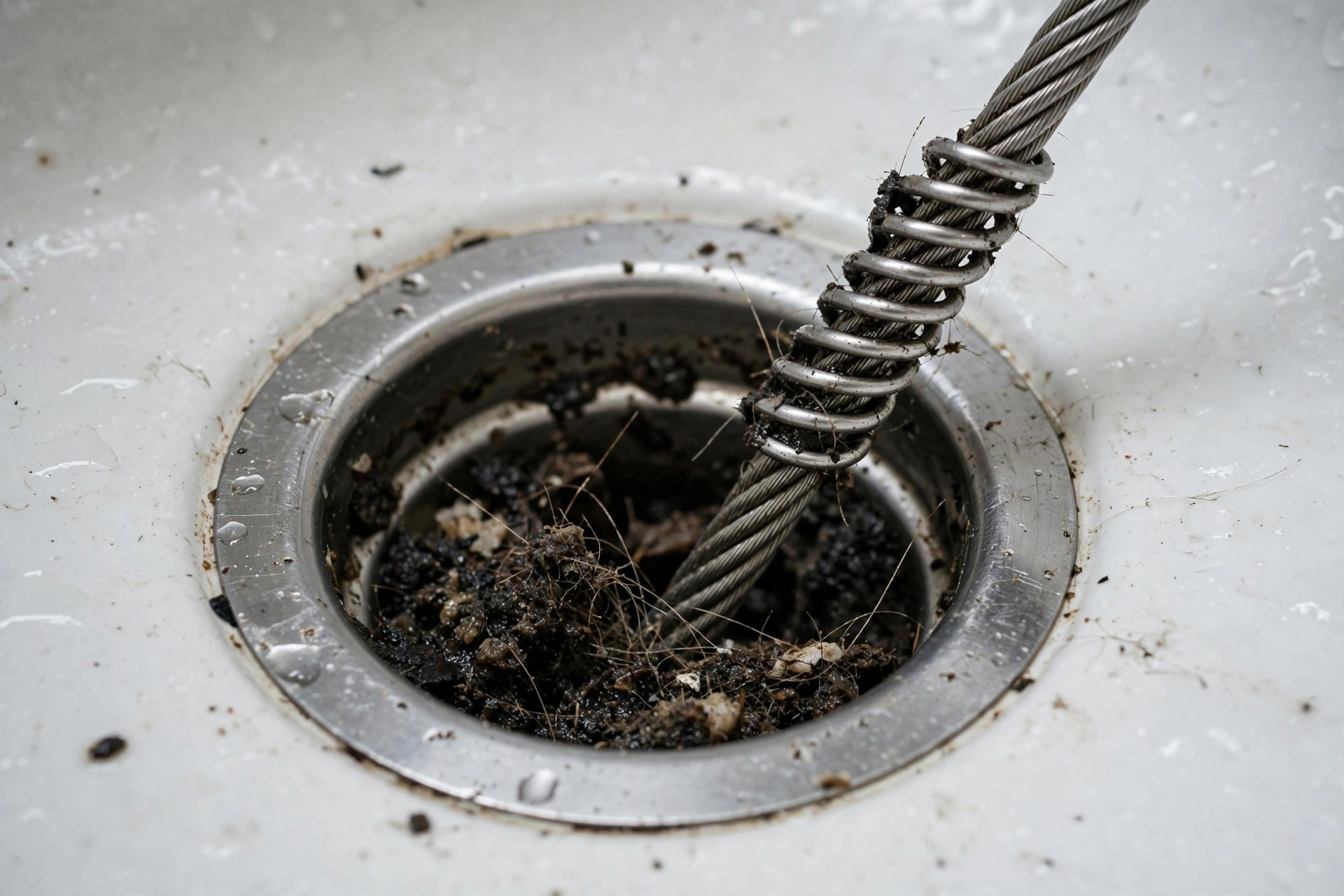
A cable snake, also called a drain auger, is a flexible steel cable that a tech feeds into the drain. The tip can break through hair mats, paper, and soft blockages, and it can hook debris so it can be pulled back out. A snake works well for a single-fixture clog, such as a bathroom sink or a tub that drains slowly. It can also open a path through a toilet clog or a laundry line blockage. The limit is reach and cleaning power. A snake punches a hole through the clog, but it may leave grease and scale on the pipe wall. That residue can catch new debris and let the clog return.
How Hydro Jetting Scours the Whole Pipe
Hydro jetting uses a hose with a special nozzle that sprays water in several directions at high pressure. As the hose moves through the line, the spray cuts grease, soap scum, scale, and sludge off the pipe wall and carries it downstream to the main sewer. The result is a much cleaner pipe, not just an open hole. Jetting works well for kitchen lines with heavy grease, for main lines with sludge, and for lines that clog again soon after snaking. A tech picks the nozzle and pressure for the pipe size and shape, and a camera check before jetting can show cracks or weak joints that need a gentler approach.
Which Method Fits Which Clog
Pick the tool by the clog type. A snake fits a soft, local clog in one fixture, such as hair in a shower or paper in a toilet. Jetting fits a wide, sticky clog, such as grease across a long kitchen run or sludge in a main line. If a drain was snaked and slowed again within weeks, the pipe wall may still hold residue, and jetting can wash that layer away. If the line has fragile clay or a known break, a camera check should come first. A tech can then choose the gentler clearing step. For a repeat clog, call Drain Cleaning Austin Pros at (737) 248-8499 to talk through the signs and the right next step.
What to Ask Before Work Starts
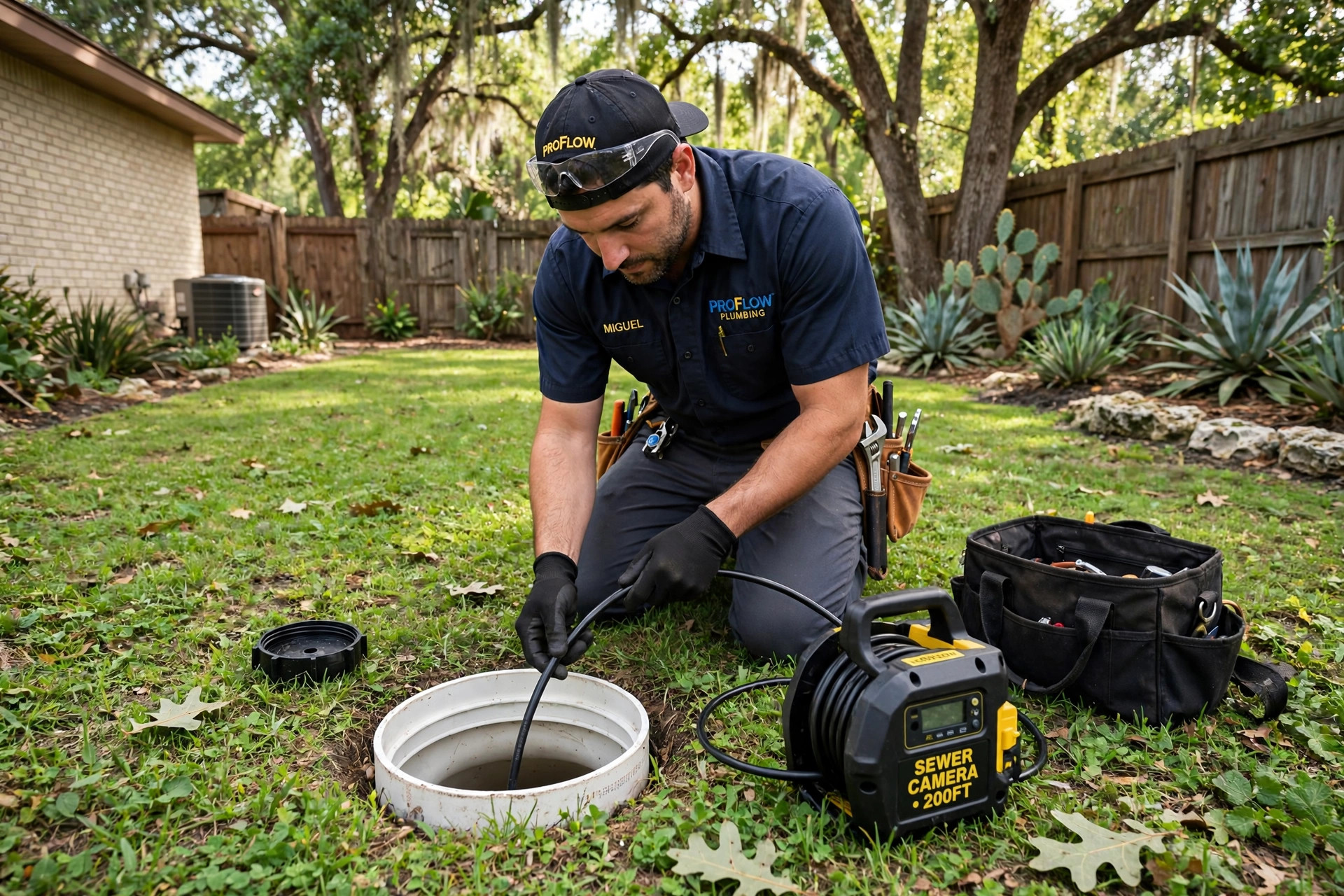
Before any clearing work, ask what the tech sees in the line and what method fits that blockage. Ask if a camera check is needed, where the clog sits, and whether the pipe wall holds grease or scale. Ask what to do after the clear-out, such as strainers, hot water flushes, or grease habits that keep the line open longer. Keep notes on which fixtures were slow and for how long, since that pattern helps pinpoint the spot. Skip harsh chemicals, since they can damage pipes and seals. For a clear plan, call Drain Cleaning Austin Pros at (737) 248-8499 and describe the signs you have seen.
Hydro Jetting vs Snaking: Which Clears Drains FAQs
Common questions on this topic.
Is hydro jetting safe for older pipes?
Jetting can be safe when the tech checks the line first and sets pressure for the pipe type. A camera check can show cracks, weak joints, or fragile clay that needs a gentler step. Always describe the age and shape of your line before jetting.
Will snaking clear a grease clog?
Snaking can open a path through grease, but it may leave a coating on the pipe wall. That coating can catch new debris and let the clog return. For heavy grease, jetting often gives a longer lasting clear-out.
How do I know which method I need?
A single slow fixture often points to a local clog that a snake can clear. A repeat clog, a wide grease run, or a slow main line often points to jetting. A camera check can show the blockage and help pick the right step.
Related Drain Cleaning Services
Need a hand? These are the jobs we do every day.
More drain cleaning services
Drain acting up right now?
Call for same-day drain cleaning in Austin, Mon-Sat.
Call Us to Book a Visit
Calls are the way to book. Tell us what your drains are doing and we will set up the next open slot.